GMOs are a controversial topic, with many people believing that they are unsafe for human consumption. On the other hand, GMO crops have been shown to be more resistant to pests and diseases, and they can also be engineered to contain more nutrients than their non-GMO counterparts. So, what's the verdict? Are GMOs safe or not?
The Debate Over GMOs
There is a lot of debate over whether or not GMOs are safe for human consumption. One of the major concerns is that there is a lack of long-term data on the effects of consuming GMOs. Additionally, some people worry that GMOs may lead to the development of new allergies. However, there is no evidence to suggest that this is the case.
Another concern is that GMOs may have negative effects on the environment. For example, if a pest becomes resistant to a GMO crop, that pest may then devastate non-GMO crops as well. However, this concern is largely unfounded; in reality, GMO crops have been shown to have a positive effect on the environment by reducing the need for pesticides and herbicides.

The Benefits of GMOs
Despite the concerns raised by some people, there are many benefits to genetically modified crops. One of the major benefits is that GMO crops are more resistant to pests and diseases. This resistance results in higher yields, which can be especially beneficial in developing countries where food security is an issue.
In addition to being more resilient to pests and diseases, GMO crops can also be engineered to contain more nutrients than their non-GMO counterparts. For example, Golden Rice—a variety of rice that has been genetically modified to contain higher levels of vitamin A—has the potential to reduce vitamin A deficiency in developing countries where rice is a staple food.
The Verdict on GMOs?
So, are GMOs safe or not? There is no easy answer to this question. On the one hand, there are concerns about the lack of long-term data on the effects of consuming GMOs. On the other hand, GMO crops have been shown to be more resilient to pests and diseases and can also be engineered to contain more nutrients than their non-GMO counterparts. Ultimately, the decision of whether or not to consume GMOS is a personal one.
Read more about the pros and cons of GMOs on the FDA's website via article, "Science and History of GMOs and Other Food Modification Processes".
Per the article, the FDA shares the timeline of GMOs:
A Timeline of Genetic Modification in Agriculture

Circa 8000 BCE: Humans use traditional modification methods like selective breeding and cross-breeding to breed plants and animals with more desirable traits.
1866: Gregor Mendel, an Austrian monk, breeds two different types of peas and identifies the basic process of genetics.
1922: The first hybrid corn is produced and sold commercially.
1940: Plant breeders learn to use radiation or chemicals to randomly change an organism’s DNA.
1953: Building on the discoveries of chemist Rosalind Franklin, scientists James Watson and Francis Crick identify the structure of DNA.
1973: Biochemists Herbert Boyer and Stanley Cohen develop genetic engineering by inserting DNA from one bacteria into another.
1982: FDA approves the first consumer GMO product developed through genetic engineering: human insulin to treat diabetes.
1986: The federal government establishes the Coordinated Framework for the Regulation of Biotechnology. This policy describes how the U.S. Food and Drug Administration (FDA), U.S. Environmental Protection Agency (EPA), and U.S. Department of Agriculture (USDA) work together to regulate the safety of GMOs.
1992: FDA policy states that foods from GMO plants must meet the same requirements, including the same safety standards, as foods derived from traditionally bred plants.
1994: The first GMO produce created through genetic engineering—a GMO tomato—becomes available for sale after studies evaluated by federal agencies proved it to be as safe as traditionally bred tomatoes.
1990s: The first wave of GMO produce created through genetic engineering becomes available to consumers: summer squash, soybeans, cotton, corn, papayas, tomatoes, potatoes, and canola. Not all are still available for sale.
2003: The World Health Organization (WHO) and the Food and Agriculture Organization (FAO) of the United Nations develop international guidelines and standards to determine the safety of GMO foods.
2005: GMO alfalfa and sugar beets are available for sale in the United States.
2015: FDA approves an application for the first genetic modification in an animal for use as food, a genetically engineered salmon.
2016: Congress passes a law requiring labeling for some foods produced through genetic engineering and uses the term “bioengineered,” which will start to appear on some foods.
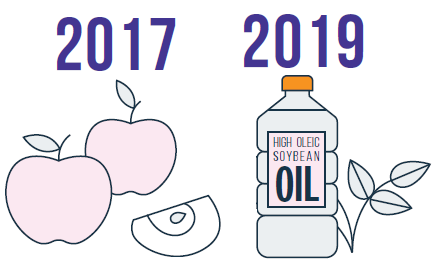
2017: GMO apples are available for sale in the U.S.
2019: FDA completes consultation on first food from a genome edited plant.
2020: GMO pink pineapple is available to U.S. consumers.
2020: Application for GalSafe pig was approved.


 -
-

 made terracotta animals as decorations, and produced gnomes based on local myths about the gnomes' willingness to help in the garden at night. The garden gnome quickly spread across Germany and into France and England, and wherever gardening was a serious hobby.


 -
- 


 and on/off switch, turns on automatically at dusk and off at dawn. " -
  -
- 


 Mix
Mix  in with the lemon.
 Sugar (use
  )
)
 and
and  )
) and
and  )
) )
) )
) )
) or
or  )
) or
or 


 for one week, unrefrigerated.