Total Pageviews

Thursday, June 13, 2024

The Pros and Cons of Genetically Modified Organisms (GMOs)

GMOs are a controversial topic, with many people believing that they are unsafe for human consumption. On the other hand, GMO crops have been shown to be more resistant to pests and diseases, and they can also be engineered to contain more nutrients than their non-GMO counterparts. So, what's the verdict? Are GMOs safe or not?

The Debate Over GMOs
There is a lot of debate over whether or not GMOs are safe for human consumption. One of the major concerns is that there is a lack of long-term data on the effects of consuming GMOs. Additionally, some people worry that GMOs may lead to the development of new allergies. However, there is no evidence to suggest that this is the case. 

Another concern is that GMOs may have negative effects on the environment. For example, if a pest becomes resistant to a GMO crop, that pest may then devastate non-GMO crops as well. However, this concern is largely unfounded; in reality, GMO crops have been shown to have a positive effect on the environment by reducing the need for pesticides and herbicides. 


The Benefits of GMOs
Despite the concerns raised by some people, there are many benefits to genetically modified crops. One of the major benefits is that GMO crops are more resistant to pests and diseases. This resistance results in higher yields, which can be especially beneficial in developing countries where food security is an issue. 

In addition to being more resilient to pests and diseases, GMO crops can also be engineered to contain more nutrients than their non-GMO counterparts. For example, Golden Rice—a variety of rice that has been genetically modified to contain higher levels of vitamin A—has the potential to reduce vitamin A deficiency in developing countries where rice is a staple food. 

The Verdict on GMOs?
So, are GMOs safe or not? There is no easy answer to this question. On the one hand, there are concerns about the lack of long-term data on the effects of consuming GMOs. On the other hand, GMO crops have been shown to be more resilient to pests and diseases and can also be engineered to contain more nutrients than their non-GMO counterparts. Ultimately, the decision of whether or not to consume GMOS is a personal one.

Read more about the pros and cons of GMOs on the FDA's website via article, "Science and History of GMOs and Other Food Modification Processes".

Per the article, the FDA shares the timeline of GMOs:

A Timeline of Genetic Modification in Agriculture

A Timeline of Genetic Modification in Modern Agriculture

Timeline of Genetic Modification in Agriculture Thumbnail

PDF: 152KB

Circa 8000 BCE: Humans use traditional modification methods like selective breeding and cross-breeding to breed plants and animals with more desirable traits.

1866: Gregor Mendel, an Austrian monk, breeds two different types of peas and identifies the basic process of genetics.

1922: The first hybrid corn is produced and sold commercially.

1940: Plant breeders learn to use radiation or chemicals to randomly change an organism’s DNA.

1953: Building on the discoveries of chemist Rosalind Franklin, scientists James Watson and Francis Crick identify the structure of DNA.

1973: Biochemists Herbert Boyer and Stanley Cohen develop genetic engineering by inserting DNA from one bacteria into another.

1982: FDA approves the first consumer GMO product developed through genetic engineering: human insulin to treat diabetes.

1986: The federal government establishes the Coordinated Framework for the Regulation of Biotechnology. This policy describes how the U.S. Food and Drug Administration (FDA), U.S. Environmental Protection Agency (EPA), and U.S. Department of Agriculture (USDA) work together to regulate the safety of GMOs.

1992: FDA policy states that foods from GMO plants must meet the same requirements, including the same safety standards, as foods derived from traditionally bred plants.

1994: The first GMO produce created through genetic engineering—a GMO tomato—becomes available for sale after studies evaluated by federal agencies proved it to be as safe as traditionally bred tomatoes.

1990s: The first wave of GMO produce created through genetic engineering becomes available to consumers: summer squash, soybeans, cotton, corn, papayas, tomatoes, potatoes, and canola. Not all are still available for sale.

2003: The World Health Organization (WHO) and the Food and Agriculture Organization (FAO) of the United Nations develop international guidelines and standards to determine the safety of GMO foods.

2005: GMO alfalfa and sugar beets are available for sale in the United States.

2015: FDA approves an application for the first genetic modification in an animal for use as food, a genetically engineered salmon.

2016: Congress passes a law requiring labeling for some foods produced through genetic engineering and uses the term “bioengineered,” which will start to appear on some foods.
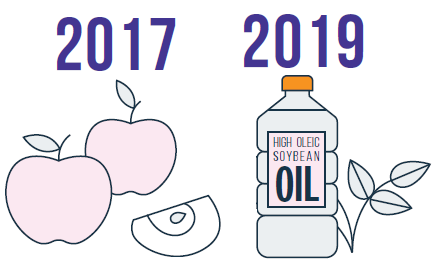
Timeline of Genetic Modification in Agriculture

2017: GMO apples are available for sale in the U.S.

2019: FDA completes consultation on first food from a genome edited plant.

2020: GMO pink pineapple is available to U.S. consumers.

2020: Application for GalSafe pig was approved.


Tuesday, June 11, 2024

Discover California Nursery Specialties Cactus Ranch: A Hidden Gem for Succulent Enthusiasts in Los Angeles

Tucked away in the bustling city of Los Angeles lies a hidden oasis that could rival the secrecy and charm of Diagon Alley from the Harry Potter series. California Nursery Specialties Cactus Ranch is not just a nursery; it's a vibrant sanctuary for succulent lovers and garden enthusiasts. This hidden gem is open only on weekends, making it a special destination for those in the know. 

California Nursery Specialties Cactus Ranch visitor information:
Visitors are Welcome: Saturdays & Sundays
11am - 6pm (winter 11am - 5pm)

Location and Directions
The Reseda facility is located at 19420 Saticoy, Reseda, CA 91335, 2 ½ miles north of Hwy 101. Exit Tampa, north to Saticoy, west on Saticoy 1 ¼ blocks. Street parking is available along the front of the gardens.

Cash or Check Only
Sorry no credit cards are accepted. All purchases must be made by cash or check. No catalog or mail order service is available, since each individual plant has different character.

Part of the fun is picking your favorites in person!!!

Contact Information: We prefer to be reached by phone (818) 894-5694." (Excerpt from California Nursery Specialties Cactus Ranch (June 2024)

In this blog post, we'll uncover the magic of California Nursery Specialties and why it's a must-visit for anyone looking to enhance their garden with unique and resilient plants. If I were to open a nursery, which I have always dreamed of, mine would look much like this. Sculptures, fountains, and cacti and succulents would cover the space.

A Secret Haven for Plant Lovers:

California Nursery Specialties Cactus Ranch operates somewhat under the radar, not unlike a speakeasy for plant aficionados. Located in Reseda, this nursery opens its doors to the public only on weekends, offering an exclusive peek into a vast collection of cacti and succulents. The allure of this place lies in its secretive nature, making every visit feel like an exclusive event.


What Makes California Nursery Specialties Unique?

1. Extensive Collection:
The nursery boasts one of the most extensive collections of cacti and succulents in Southern California. From towering saguaros to delicate sedums, the variety is vast and impressive. Whether you are a seasoned collector or a novice gardener, you'll find plants that are both fascinating and perfect for your space.

2. Rare and Exotic Species:
For those in search of something truly unique, California Nursery Specialties does not disappoint. The ranch features rare species that are hard to find elsewhere, making it a treasure trove for collectors and enthusiasts looking to add exotic flair to their plant collections.

3. Expert Advice:
The knowledgeable staff at the nursery are as passionate about plants as the visitors. They offer expert advice on care and maintenance, helping you make informed decisions about which plants will best suit your environment and how to care for them to ensure they thrive.

4. Inspiring Environment:
The layout of the nursery encourages exploration and inspiration. Wandering through the rows of lush, well-tended plants can spark ideas for your own garden projects, and the peaceful ambiance provides a welcome escape from the city's hustle and bustle.

A Community of Plant Lovers:

Visiting California Nursery Specialties is more than just a shopping trip; it's an opportunity to connect with a community of like-minded individuals. The weekend-only opening hours contribute to a bustling, market-like atmosphere where enthusiasts gather to discuss their passion for succulents and share tips and stories.

Planning Your Visit:

To make the most of your visit to California Nursery Specialties, plan ahead. Check the weather, as much of your visit will be outdoors, and wear comfortable walking shoes. Bring a hat and sunscreen for protection against the sun, and don't forget your camera— the unique plant displays are incredibly photogenic. Lastly, consider bringing a list of desired plants or questions, as the expert staff are there to help guide you in your selections.

California Nursery Specialties Cactus Ranch is a hidden paradise that offers a unique experience for succulent lovers and garden enthusiasts alike. Its secretive nature, combined with an extensive collection of plants and a warm community vibe, makes it a must-visit destination in Los Angeles. Whether you're a local or planning a trip to LA, add this magical nursery to your weekend itinerary for a delightful and inspiring outing.


Photo: LA Times 


Monday, June 10, 2024

Creating Water-Saving Gardens in Southern California: A Guide to Drought-Resistant Landscaping

Southern California's climate, characterized by long dry spells and occasional heavy rains, poses unique challenges for gardeners. Water conservation is not just a lifestyle choice but a necessary practice in this region. As drought conditions persist, creating a water-saving garden becomes increasingly important. This guide will explore effective strategies for designing a drought-resistant garden that thrives in Southern California’s climate, conserves water, and reduces your environmental footprint.

Understanding the Climate and Soil Conditions:

Before you start planting, it's crucial to understand the specific conditions of Southern California. The region typically experiences a Mediterranean climate, which means wet winters and dry summers. Soil types can vary significantly, from sandy to clay, affecting water retention and plant health. Testing your soil and amending it accordingly can help in establishing a more water-efficient garden.

Choosing the Right Plants:

The cornerstone of a water-saving garden is selecting the right plants that are adapted to thrive in arid conditions. Native plants are usually the best choice as they are naturally drought-resistant and require less water compared to non-native species.

Succulents and Cacti:
These plants are ideal for Southern California gardens due to their low water needs and striking appearances.

- California Native Plants:
Options like California Poppy, Salvia, and Manzanita not only adapt well but also help support local wildlife.

- Drought-Tolerant Grasses:
Instead of traditional lawns, consider drought-tolerant grasses or grass alternatives like buffalo grass or carex species, which provide a lush look without high water requirements.

Incorporating Efficient Irrigation Techniques:

Efficient watering systems are vital for reducing water usage in the garden. Drip irrigation systems deliver water directly to the base of the plant, which minimizes evaporation and waste. Additionally, incorporating a smart irrigation controller can adjust watering schedules based on weather conditions, further optimizing water use.

Mulching and Ground Covers:
Mulch is a gardener’s best friend when it comes to conserving moisture. Applying a layer of organic mulch around your plants can significantly reduce water evaporation from the soil, suppress weeds, and add nutrients to your garden.

- Organic Mulches:
Wood chips, bark, or compost help retain soil moisture and improve soil health as they decompose.

- Ground Covers:
Low-growing ground covers like thyme or sedum can cover bare spots where water might evaporate, providing greenery and reducing water loss.

Garden Design and Maintenance:

Strategic garden design can enhance water efficiency. Grouping plants with similar water needs together allows you to water more effectively and avoid overwatering less thirsty plants. Regular maintenance such as pruning and weeding also improves plant health and water use efficiency.

- Zoning:
Create zones in your garden based on the water requirement of different plants, which ensures that each plant gets just the amount of water it needs.

- Seasonal Adjustments:
Adjust your watering schedule based on the seasons. Plants require less water in the cooler months.

Building a water-saving garden in Southern California is not only about plant selection and efficient watering techniques; it's about creating a sustainable and resilient landscape that respects and enhances the local environment. By choosing the right plants, employing efficient irrigation methods, and using mulches and ground covers, you can create a beautiful garden that thrives in the regional climate while conserving precious water resources. Whether you're a seasoned gardener or a green-thumbed newbie, these strategies can help you cultivate a garden that's both lush and eco-friendly.